Equipment Financing 101: What Every Business Owner Should Know
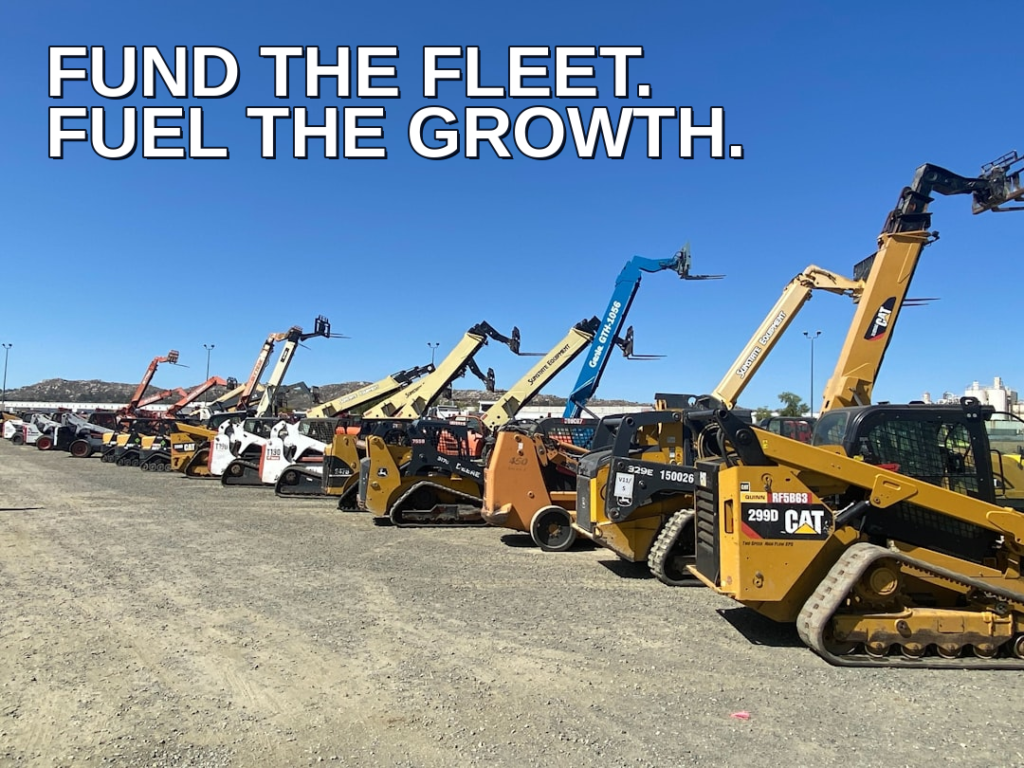
Equipment financing is one of the most misunderstood tools available to established businesses — and one of the most useful, especially if your industry runs on machines rather than desks. The Short Answer Equipment financing is a type of business funding used specifically to purchase, lease, or refinance the equipment a business needs to operate — skid steers, telehandlers, delivery vehicles, manufacturing machinery, medical equipment, kitchen equipment, and more. Instead of paying the full cost upfront, the business spreads payments over time, often using the equipment itself (or the cash flow it generates) as the basis for approval. How It’s Different From a Traditional Bank Loan Most business owners assume equipment financing works like a standard bank loan: submit years of financials, wait weeks, hope your credit score clears the bar. It often doesn’t work that way. Lenders in the equipment financing space frequently weigh a business’s cash flow, revenue trends, and the equipment itself more heavily than a traditional bank underwriter would. That doesn’t mean credit doesn’t matter — it does — but it’s typically one factor among several, not the single gate everything else has to pass through. Approval timelines can also move faster than a traditional bank loan, though actual speed and terms vary by lender, industry, and the specific equipment involved. The Three Common Structures Equipment loans — You finance the purchase and own the equipment outright once the term ends. Straightforward, and you build equity in the asset as you pay it down. Equipment leases — Lower monthly payments in exchange for not owning the equipment outright during the term. Some leases include a buyout option at the end; others don’t. A good fit for equipment that gets replaced or upgraded frequently. Sale-leaseback — If you already own equipment outright, you can sell it to a lender and lease it back, freeing up cash that’s currently sitting idle in a machine you already have. Why It Matters for Growth Here’s the practical reality: renting equipment for an extended job can cost more over time than financing the purchase — and at the end of a rental period, you own nothing. For businesses with a steady pipeline of contracts, financing the equipment outright (or through a lease with favorable terms) often makes more financial sense than renting project after project. It also solves a specific growth bottleneck: a business can be fully capable of winning more contracts but simply not have the machine on hand to take them on. Equipment financing exists to close that gap without draining the cash reserves a business needs for payroll, materials, and day-to-day operations. Who Typically Uses It Equipment-intensive industries lean on this type of financing most: construction and contractors, manufacturing and distribution, transportation and logistics, medical and dental practices, restaurants and food service, and franchise operations. If your business depends on physical equipment to generate revenue, it’s worth understanding as an option — even if you’re not actively shopping for a machine right now. The Bottom Line Equipment financing isn’t about qualifying for debt the way a bank loan works. It’s about matching the right funding structure to equipment that directly supports your business’s ability to take on more work. If you’re weighing a purchase, a lease, or wondering whether your current equipment could unlock cash through a sale-leaseback, that’s a conversation worth having — with no obligation attached to just exploring the options. Every business we help fund through National Business Capital also contributes to Feeding America, connecting business growth to a broader impact.
Emergency Funding vs. Bridge Capital: How to Tell Which One Your Business Actually Needs
Not every cash-flow gap means something’s wrong. Sometimes it just means the timing hasn’t caught up yet. I get calls from business owners who think they need “emergency funding,” and by the time we’ve talked it through, what they’re actually describing isn’t an emergency at all. It’s a gap they already saw coming — a retailer’s purchase order, a sale that’s 60 days from closing, inventory that has to be paid for before the season’s revenue lands. They already know the money is coming. They just need something to cover the space between now and then. What Emergency Funding Is Actually For Emergency funding exists for the moment nobody saw coming. A piece of equipment fails and stops production. A client pays 45 days late and payroll’s due Friday. Something forces a fast decision while you’re still figuring out what happened. In situations like that, speed matters more than structure — the goal is stability, not strategy. What Bridge Capital Is Actually For Bridge capital solves a different problem. The objective is already clear, and so is how it gets repaid. That could look like: Covering payroll and operating costs ahead of a receivable you’re already owed Funding inventory before a seasonal or retail sales cycle Bridging a transaction while permanent financing is being finalized Managing the timing gap between an investment and the proceeds it will generate None of that is a crisis. It’s math with a known ending — you just need the right capital to get from point A to point B without stalling out in between. The Question I Ask First Before we ever get into rates or structure, this is what I want to understand: did this catch you off guard, or did you already see it coming? That answer changes everything about what kind of funding actually fits — and it’s usually more revealing than the number itself. Why This Distinction Matters Getting this wrong costs business owners more than they realize. Treating a predictable, plannable gap like an emergency often means paying emergency-level pricing for a problem that didn’t need to be urgent. And treating a genuine emergency like a planned transaction can mean losing precious time you don’t have. At Devil Dog Marketplace, in partnership with National Business Capital, we work through both situations regularly — with the speed to move fast when something’s genuinely urgent, and the flexibility to structure something more deliberate when the timeline allows for it. Every deal we fund also contributes to Feeding America, so growing your business supports a cause bigger than the transaction itself. If you’re staring at a gap right now, ask yourself the same question I’d ask on a call: is this the surprise kind, or the kind you already saw coming? Once you know the answer, we can talk about what actually fits.
The Capital Gap Framework: Why Good Deals Stall and How to Close Them

Most deals that stall don’t stall because they’re bad deals. They stall because of a gap — the difference between what a business has on hand right now and what it needs to actually close. That gap shows up in a few recognizable forms: Manpower gaps — you’ve won the work, but don’t have the staffing in place yet to execute it without straining the team you have. Equipment gaps — the contract requires equipment or inventory up front, before the revenue from that contract starts coming in. Working capital timing gaps — your business is fundamentally healthy, but payroll, materials, and vendors are due now while collections are tied to Net 60/90 terms or milestone billing. None of these are a sign the deal is bad. They’re a sign the timing between cost and revenue doesn’t line up — and that’s a solvable problem, not a disqualifying one. The key is matching the right instrument to the specific gap. A manpower or equipment gap tied to a single large opportunity often calls for a term loan or equipment financing. A recurring working capital timing gap is usually better suited to a line of credit or cash flow financing. A gap that shows up during an acquisition or expansion, where you already have a primary lender in place, might call for subordinated debt structured behind that existing relationship. The businesses that move fastest through this process are the ones that can clearly articulate which gap they’re dealing with. If you’re not sure which category your situation falls into, that’s exactly the kind of conversation worth having before you apply for anything specific.
Unlocking Growth Potential Through Capital: What You Need to Know
The companies that grow intentionally don’t wait for cash problems to show up. Discover why “Strategic Red” — deliberate, planned capital use — is the difference between surviving and thriving.